


The “Ready—or Not”: Cultural Heritage Disaster Preparedness Project offers free emergency preparedness consulting to California organizations that care for cultural and historic collections—including archives, libraries, museums, and tribal nations.
CONSULTATION OPTIONS
Emergency Preparedness Assessments (On-Site)
Our team of emergency preparedness consultants based in California conduct free, on-site emergency preparedness assessments and deliver a summary report that documents the organization's current state of emergency preparedness.
Each report includes recommendations for mitigating risks, taking emergency preparedness actions, and completing a disaster plan with tools to better protect their collections in an emergency.
- What happens at a full-day site visit consultation?
An emergency preparedness consultant travels to each site for a full-day consultation (9am-4pm). The agenda includes an introduction and discussion of emergency preparedness goals, followed by a 3-hour Q&A session on past incidents, current practices, and risk assessment. After lunch, there is a facilities walkthrough, and a wrap-up meeting for final questions, impressions, and next steps. If the walkthrough takes 2-3 hours, a full-day is suitable for your organization.
- Can my organization meet for a half-day consultation?
An emergency preparedness consultant can visit for a half-day (e.g. 10 am to 2:30 pm). The agenda has a flexible schedule but is meant to include a 3-hour Q&A session on past incidents, current practices, and risk assessment. There is a brief facilities walkthrough. If the entire building, including cultural heritage storage, can be seen in 30-60 minutes during the walkthrough, the half-day option is suitable for your organization. If some staff or volunteers are present for part of the day, the schedule can be adjusted to meet their availability.
- We have offsite storage and multiple locations. Can you visit all my sites?
Yes, if you are a multi-site organization that holds several locations under one entity, we can plan to visit each site. Please provide the number of branches, buildings, or offsite storage locations to be assessed. This will help us schedule one or more days for site visits to cover all locations. We will tailor the consultation schedule to accommodate your organization's needs.
- What staff need to be at the consultation?
We encourage attendance from as many staff and volunteers as possible, particularly those in Collections, Facilities, and Operations, during the consultation. If some individuals need to arrive or leave mid-day, the consultant will adjust the agenda to accommodate their participation. For instance, if the facilities manager can only join for an hour, we will prioritize covering facility-related questions and walkthroughs during that time. If your team is small (one or two members), we still encourage as many people as possible to attend and actively participate in the disaster planning process, including the site visit consultation and assessment.
- Can my organization really participate if we only have one staff/volunteer or a small collection?
YES! "Ready – Or Not" encourages small organizations to participate. We work with your small organization to determine what your disaster planning needs are and how much capacity your staff or volunteers have to carry out recommended actions.
- What do we discuss at the site visit?
The discussion focuses on past incidents, current practices, and risk assessment for building, collections, and human safety.
- What is in the report after the consultation?
The Emergency Preparedness Assessment Report provides observations and recommendations for various areas, such as business continuity, IT security, physical building security, protection of collections, facilities risk mitigation, water and fire protection, and human safety. The report, tailored specifically to your organization, includes best practices and actionable recommendations to minimize risks, plan and prepare for disasters, and effectively respond. Additionally, the report includes an Appendix with valuable resources to support your organization's disaster plan.
- When will the consultant send the report?
You receive an Emergency Preparedness Assessment Report about two weeks after your site visit consultation.
- How long do organization staff or volunteers have to make edits to the report?
We encourage organization staff or volunteers to review our Emergency Preparedness Assessment Report and make any factual corrections within three months of the visit.
Create Or UPDATE Your Disaster Plan (Remote/Online)
An emergency preparedness consultant works with you one-on-one to gather information to write or update your organization’s disaster plan, big or small. We can produce a one-page document for your internal use, a complex plan that integrates with a larger municipal or campus emergency plan, or anything in between. Let us help you check “Disaster Plan” off of your to-do list!
Services options include:
- Pocket Response Plan: A good fit for small or new organizations, the “PRR” contains basic emergency response information for your organization.
- Disaster Plan: This service is suitable for medium-sized organizations and those with existing disaster plans. Intensive assistance can be provided to organizations that need to coordinate with multiple locations or a parent organization.
- How do I sign up?
If you have already had a visit from our emergency preparedness consultants, reach out to LaShaunda Croussore [email protected] if you still need more support in completing your disaster plan. If you haven’t had a free assessment on-site at your organization, this is a helpful first step in getting disaster ready.
- I’ve signed up, now what?
A California-based emergency preparedness consultant will contact you to set up an initial 30-minute Zoom call and to request additional information about your disaster planning needs.
- How long will this process take?
After the initial Zoom meeting, the consultant will work with you to set up a series of remote meetings and a completion date. While timing depends on everyone’s availability, ideally this will consist of about three 1-hour check-in meetings, spaced out over 6-8 weeks.
- Who should be involved?
Anyone at your organization involved in disaster planning and collections care may be involved! You may have several staff members attend the Zoom meeting (e.g., your disaster response team), or it may be just one person who is responsible for writing your disaster plan.
- What will be required of the staff involved?
Your disaster plan will be most effective if it is customized for your organization. This will require you to gather information, existing documentation and procedures, and to complete tasks between check-in meetings. The consultant will help to guide the whole process, while providing templates, resources, and assisting in the writing process.
Hillary Ellis
 Based in Carlsbad, California, Hillary Ellis brings extensive experience in art conservation and collections management to the "Ready—Or Not" Project. Since joining as the lead emergency preparedness consultant in 2022, she has helped develop the project’s assessment model, guiding a team of consultants as they work with cultural organizations across California to mitigate risks, implement preparedness actions, and complete disaster plans designed to better protect collections during emergencies.
Through her work, Hillary and her team ensure that cultural organizations across California have the knowledge, tools, and support they need to prepare for emergencies and protect the collections that tell their communities’ stories.
Celeste Knight
Based in Albuquerque, New Mexico, Celeste Knight brings a unique blend of intercultural communication and museum education expertise to the “Ready—Or Not” Cultural Heritage Disaster Preparedness team. As the first point of contact for most consultations, she plays a vital behind-the-scenes role—helping connect museums, libraries, and cultural organizations across California with the support and guidance they need to safeguard their collections and prepare for the future.
“I’ve spoken with most of the organizations our team has visited, and I feel grateful for the connections I’m able to build that help our team reach out to and visit so many places around the state,” Knight shares.
With a background rooted in intercultural communication and guest experience, Knight understands how culture, place, and people intertwine—something that stood out during a memorable trip to Humboldt County with the “Ready – Or Not” team. “It was such a lovely mix of nature and culture coming together in a unique space,” Knight recalls.
What stands out most to Knight is the impact “Ready – Or Not” continues to have across California’s diverse cultural landscape. “I’ve been so pleasantly surprised by the vast scope of organizations we’ve been able to help,” she says. “There are so many unique collections being preserved, and it’s so rewarding to know these organizations are receiving free services that will be crucial to their longevity.”
For Knight, pride comes not just from what the team accomplishes, but from how they do it. “I’m proud to be part of a team of experts who really care about preserving California’s cultural heritage,” she reflects. “I’m honored to help organizations take that first step toward ensuring their people, spaces, and collections are ready to face the future.”
 Caroline Whyler
Caroline Whyler is passionate about helping cultural institutions across California safeguard the stories and artifacts that define their communities, with a special focus on collections management and exhibit design.
Based in the Sacramento region, her work has taken her to every corner of the state, from Siskiyou County along the Klamath River—part of the ancestral lands of the Karuk Tribe—to the small but vibrant communities of Sierra County, home to just over 3,000 residents. “I’ve traveled extensively throughout California with the “Ready—Or Not” Cultural Heritage Disaster Preparedness Project,” she shared.
One of Whyler’s proudest moments was helping the Doris Foley Library secure grant funding to draft its first disaster plan. “The assessment we provided directly supported their ability to take that next step,” she explained. “It’s incredibly rewarding to see how our work can lead to lasting improvements for these institutions.”
Whyler feels a special connection to the collections and institutions of the Sacramento Valley. “That’s where I grew up, and I’m always so pleased when the project can help protect collections in my home region,” she said.
Whyler is consistently inspired by the people behind the collections. “I’m always genuinely surprised by how many California-based collections are protected by volunteers—people who do this work out of love for the stories these items tell,” she said. “Their resilience is what keeps the cultural heritage sector alive. It’s the icing on the cake when we can help them secure grant funding to keep that work going.”
Elizabeth Holbrook
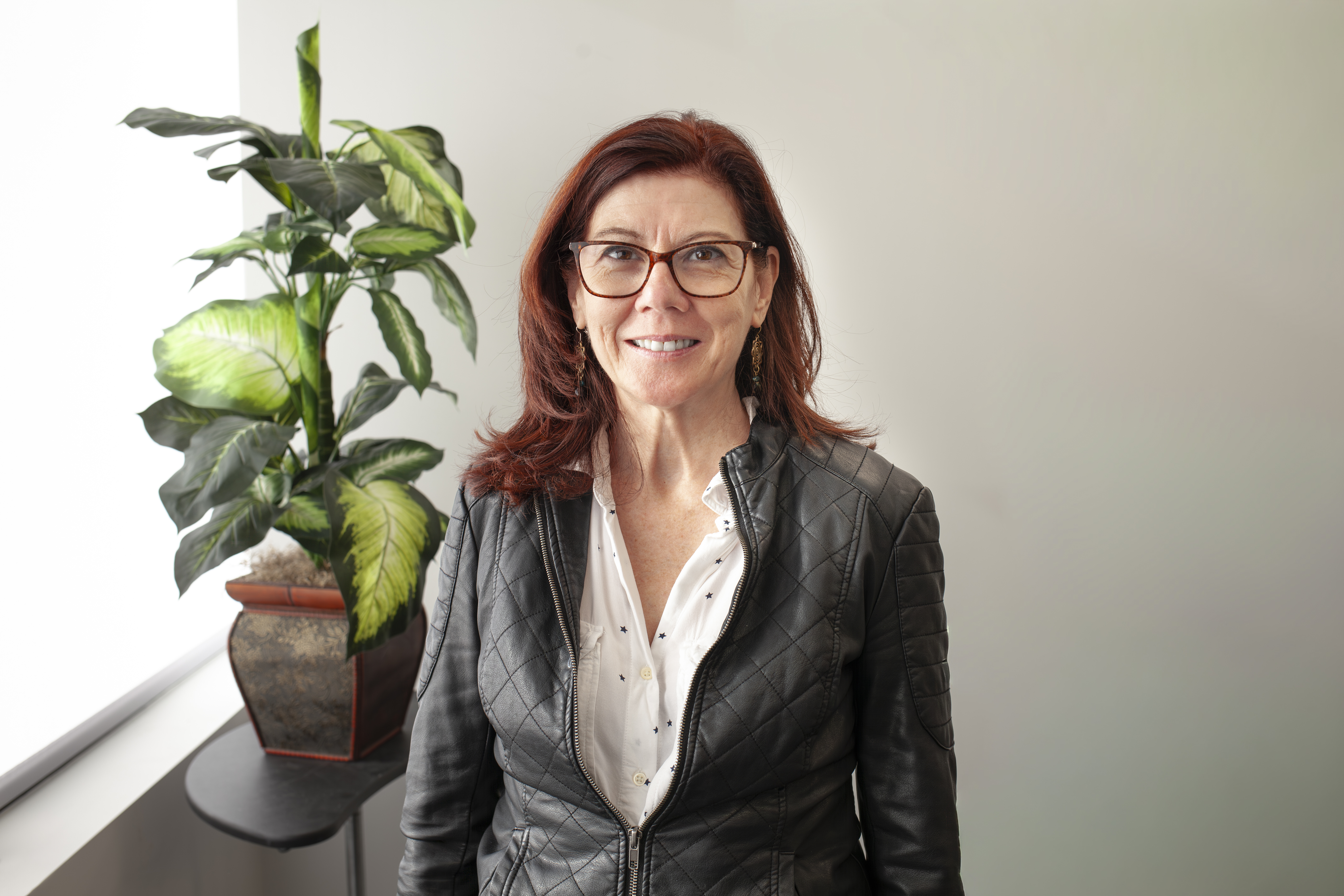 As an Emergency Preparedness Consultant based in Northern California’s Santa Clara/San Jose region, Elizabeth Holbrook brings years of expertise as a Collections Manager and Registrar for historic houses and libraries, as well as fine art museums, political collections, and map centers. Through her work, she helps museums, libraries, and similar organizations safeguard their most precious assets — not only through assessment reports, but by empowering teams to see their collections in a new light.
Recently, Elizabeth worked with a historical museum that was preparing to participate in the American Alliance of Museums’ (AAM) Museum Assessment Program (MAP). The “Ready—Or Not” assessment helped the organization update their disaster plan, and additional recommendations supported the museum in preparing for the MAP visit.
As with many of NEDCC’s emergency preparedness assessments, common recommendations included trimming trees that pose risks to the building; sealing cracks and openings that allow pest or water to infiltrate the facility; upgrading collections storage areas with safer, more accessible shelving; and identifying hazards that cause harm to the collections, staff and visitors. Each detail strengthens the organization’s ability to protect and care for its collections.
Elizabeth’s work has taken her across California, from Eureka’s redwood forests and Fort Bragg’s rugged coastline to the vineyards of Tehama and the bustling neighborhoods of Los Angeles. Along the way, she’s connected with dedicated teams of people that make these remarkable museums, historic houses, special collections, and archival libraries with some of California’s most impressive cultural treasures.
What makes her most proud isn’t just the technical work — it’s the impact. “Supporting museums and libraries in preserving their collections by not only providing the assessment report, but also by helping organizations to see the work they do in a new light, allowing them to think differently about how to care for their collections in the future,” she explains..
What’s surprised her most? The gratitude of participants. “They’re genuinely thankful for being seen for the work that they do and that we understand that this work is important even though it is challenging.”
 Jason Partida
Based in Merced in the heart of California’s Central Valley, Jason Partida brings hands-on experience in collections care, exhibit installation, and inventory management to the “Ready – Or Not” team. With a deep appreciation for California’s vast landscapes and layered histories, Partida plays an essential role in helping organizations protect and preserve their cultural treasures.
One project that stands out for Partida is the emergency preparedness consultation for the Jenner Archives Project, where he developed a detailed report that became the foundation for real change. “The volunteers at the Jenner Archives Project used our report to successfully apply for and receive a Groundworks Grant in 2024,” Partida explains. “That funding helped them launch a digitization project and create a disaster plan for their organization.”
Traveling across the state has been another highlight for Partida. “Working on the ‘Ready–Or Not’ project has allowed me to see everything this state has to offer—from the redwoods in Humboldt County all the way to the deserts of San Bernardino,” he says. “Each collection, organization, and place has a unique story to tell, all unified within the state of California.”
For Partida, that diversity is what makes the work so meaningful. “I’m proud of what our team has accomplished with the help of NEDCC and the California State Library,” he reflects. “We’ve been able to help organizations large and small with the tools to protect and preserve their collections.”
What continues to amaze Partida most is California itself—its beauty, range, and depth. “The amount of miles you can travel within the state, the abundance of natural beauty—beaches, forests, valleys, deserts, rivers, mountains—it’s all breathtaking,” Partida says. “I am left in awe of California’s history and its inclusivity.”
Mario A. Gallardo
 As an Emergency Preparedness Consultant based in Los Angeles, California, Mario A. Gallardo brings curiosity, care, and a deep sense of stewardship to every site visit and assessment. With a Master of Library and Information Science (MLIS) degree and a specialization in Archival Studies from UCLA, Gallardo has built a career dedicated to protecting the stories and collections that shape California’s cultural landscape.
Specializing in collection processing, research, and disaster planning, Gallardo has worked across academic libraries, archival special collections, and museums — each experience adding new insight into how organizations preserve their unique pieces of history. “I’m proud to be someone that other stewards of history and culture can rely on for their disaster planning, continuity, and preservation needs,” he explains.
Gallardo’s work consistently helps organizations prepare for the unexpected — from developing or refining disaster plans to identifying risks and strengthening long-term resilience. The impact is both practical and empowering, giving staff the tools and confidence to protect the collections they care for.
When not on site, Gallardo can often be found exploring California’s breathtaking diversity — from the arid dunes of Death Valley to the soaring peaks of the Sierra Nevada and the rocky shores of the California Coast Ranges. Having visited 30 counties across the state, he’s still eager to explore the remaining 28. “I’m always awestruck by the diversity of environments and people in each place I visit,” he says. “It’s another reminder of California’s size and scale.”
Those travels have also led to enduring relationships. “I’ve visited various organizations and institutions where I’ve built strong personal connections and continue to reach out to on a routine basis,” Gallardo shares.
Gallardo is grateful and proud of the work that he does. “This job provides me with the opportunity to learn about the history and culture of the many people who call the state their home,” he says. “While pursuing my MLIS at UCLA, I cultivated my passion for addressing the challenges of a changing climate and preparing for upcoming disasters. This work allows me to produce something actionable that can help people immediately.”
What continues to surprise Gallardo is the common thread connecting organizations of every size. “An issue affecting a small historical society can be the same as one involving a large university’s special collections,” he notes. “Access to resources — staffing, volunteers, budget, or sponsors — remains the greatest challenge for everyone.”
Through curiosity, compassion, and expertise, Gallardo helps California’s cultural institutions prepare for what’s ahead — ensuring that the stories, collections, and communities they represent continue to thrive for generations to come.
Julie Bly DeVere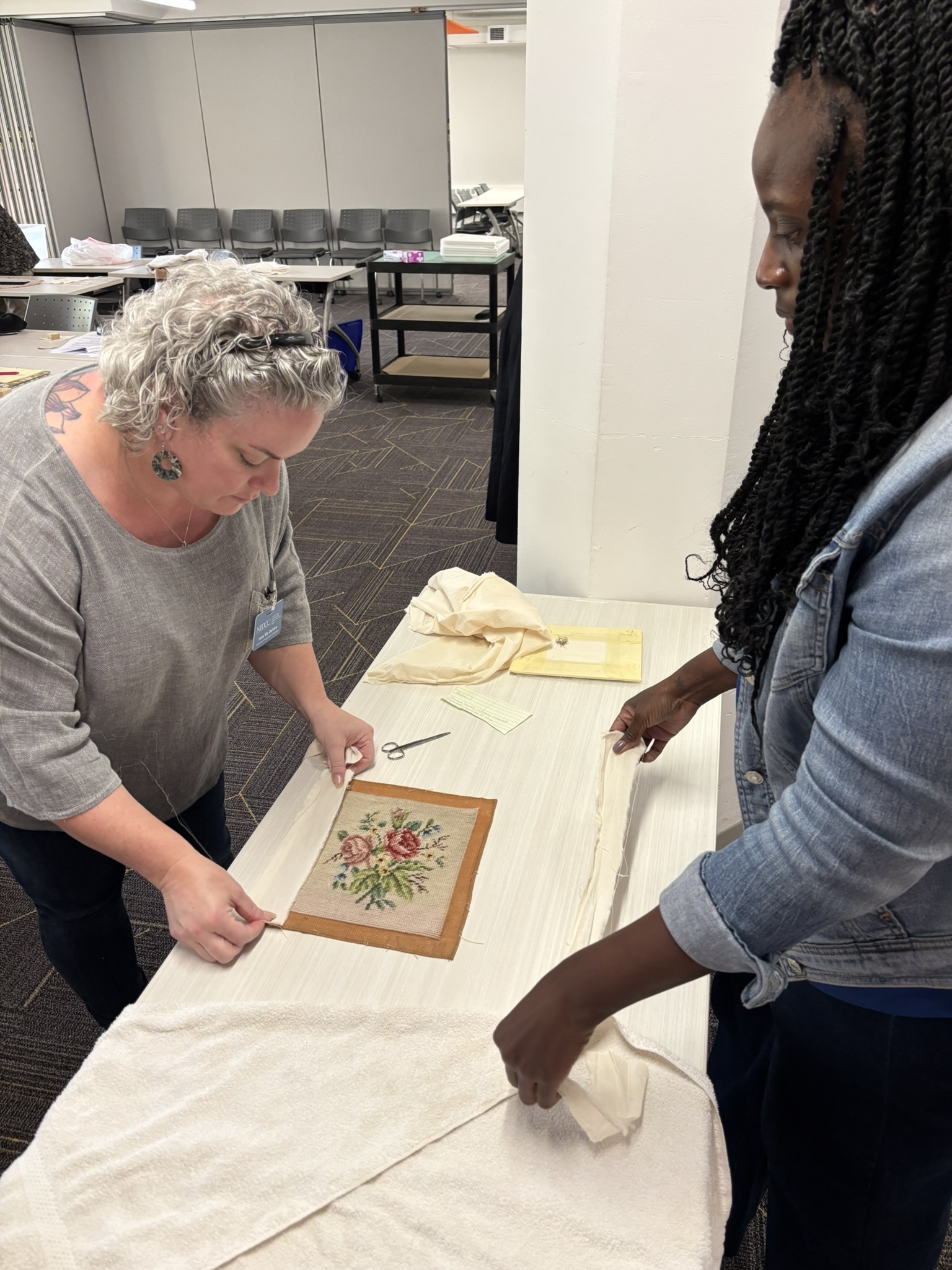
Julie Bly DeVere is based in Santa Clara County, in the heart of Silicon Valley in the San Francisco Bay Area. With more than 20 years of experience in curatorial and collections management, she brings deep knowledge to the project. DeVere also taught Museum Collections Management and Cultural Heritage Preservation in the Museum Studies Program at San Francisco State University for seven years, helping shape the next generation of museum professionals.
According to DeVere, one of the most meaningful parts of her work with the “Ready—Or Not” Cultural Heritage Disaster Preparedness Project has been reconnecting with organizations she has supported before. “Earlier this year, I had the chance to revisit a site I’d worked with previously,” she shared. “It was really rewarding to see the progress they had made in just a couple of years, and to offer support to help them reach their next milestones.”
Travel is a big part of the role, and DeVere recently completed a 1,700-mile road trip for in-person outreach visits at 11 sites across Northern California. Highlights included stops in Modoc and Lassen counties, where she met with organizations stewarding collections that reflect the diverse histories of their regions. “I’ve loved the chance to connect with a wide variety of collections and organizations from across the state,” DeVere noted, “from libraries, to archives, to fine art museums and local historical societies, and cultural centers.”
What stands out most in her experience is the impact these free services have on under-resourced organizations. “We all battle with not having enough resources,” she reflected. “So the chance to offer these services for free is pretty special.” The dedication of the people she meets is also rewarding. “No matter how much a site is already doing, they never think they are doing enough. It always feels good to reinforce the good work they are already doing.”
Whether in Silicon Valley or small towns across Northern California, DeVere is proud to help fellow stewards prepare for the unexpected, ensuring that collections—and the stories they hold—remain safe for future generations.
Pollak Library University Archives and Special Collections
The Pollak Library’s University Archives and Special Collections (UASC) safeguards California State University–Fullerton’s institutional collections. In southern California’s high-heat environment, climate control is a critical challenge for long-term preservation. To protect the collections, UASC identified an independent HVAC system as a priority and requested an Emergency Preparedness Assessment for a comprehensive list of priorities.
The resulting "Ready–Or Not" report detailed risks such as temperature and humidity fluctuations and the potential damage they could cause. By documenting these concerns, the assessment gives UASC a clear roadmap for action and strengthens the case for securing funding for a dedicated HVAC system. Implementing this system will reduce risks, protect historic documents, and ensure lasting access.
Calabasas Library
Having faced wildfire-related evacuations in the past, the Calabasas Library recognizes the critical need for proactive disaster preparedness and long-term collections care.
In December 2023, the library staff participated in a “Ready—Or Not” emergency preparedness assessment to strengthen the protection of its Special Collections and improve institutional resilience.
During the on-site assessment, Emergency Preparedness Consultant Mario A. Gallardo discussed the staff’s emergency preparedness goals, past incidents, current practices, and a facilities walkthrough. After the visit, the staff received a customized emergency preparedness report.
Based on the recommendations, the library successfully secured a 2024 Groundworks Grant to implement key improvements, including:
- Archival-quality supplies for the rehousing of Special Collections
- Risers to elevate materials during potential environmental hazards
- Equipment for inventorying and cataloging rare items
- Workplace safety gear and spill response kits
- Backup external hard drives for digital preservation
- Environmental monitoring tools for better collections management
In addition to physical improvements, the Calabasas Library created and distributed customized Pocket Response Plans (PRR) for all the staff—a foundational step in enhancing disaster response and continuity of operations.
Thanks to the “Ready—Or Not” initiative and the Groundworks Grant, Calabasas Library staff are better equipped to safeguard their collections and ensure the library remains a resilient resource for the community.
Corita Art Center
The Corita Art Center, newly located in the Arts District in Downtown Los Angeles, prides itself on a collection of Corita Kent's serigraphs, watercolors, 35 mm slides, and archival materials. The Center requested a visit in May 2024, emphasizing a concern for better storage practices and mitigating harsh light damage on their materials.
During the on-site assessment, Emergency Preparedness Consultant Mario A. Gallardo discussed the staff’s emergency preparedness goals, past incidents, current practices, and a facilities walkthrough. After the visit, the staff received a customized emergency preparedness report.
With the assistance of a 2024 Groundworks Grant, they improved their storage capabilities and environmental control in their spaces. This included funds for shelving, an emergency kit, a spill kit, and materials for rehousing and evacuations. Additionally, they have improved their documentation efforts by developing comprehensive disaster preparedness plans, ensuring that staff, collections, and their space have the necessary assistance to persevere in the event of a disaster.
Corita Art Center and its staff join one of the many participants of the "Ready—Or Not" project who put their best foot forward in accomplishing the steps necessary to protect their collections, staff, and space.
QUESTIONS? Email [email protected] to join the newsletter.
WANT PROJECT UPDATES? Follow the project on LinkedIn.
Learn more about training and programs
This project is supported in whole or in part by funding provided by the State of California, administered by the California State Library.
